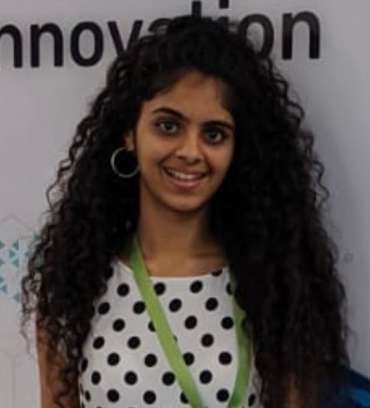
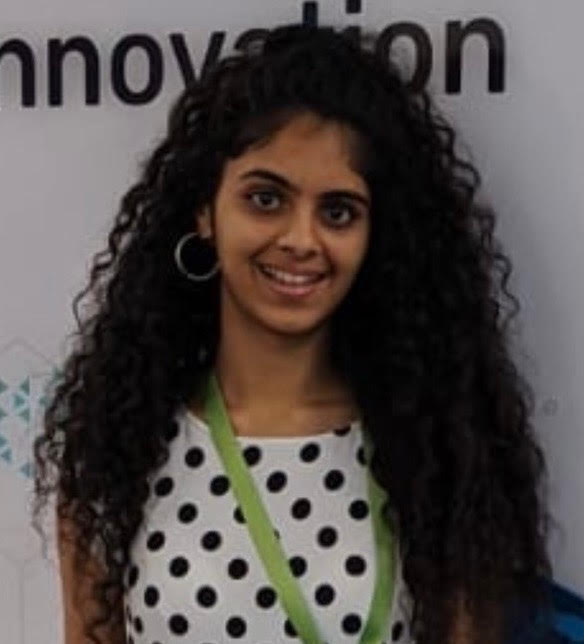
2024 has been a year of accomplishments for Ishika Kanakath. In April, she was honored with the prestigious Robert L. Shurter Prize, a recognition the Case School of Engineering awarded for outstanding leadership in extracurricular activities. Additionally, she was granted the SOURCE STEM scholarship from Case Western Reserve University’s undergraduate research office. “This scholarship provides the support I need to conduct my research effectively and allows me to work with a team of experts dedicated to advancing the field,” she said.
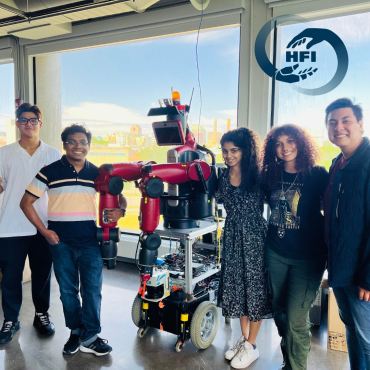
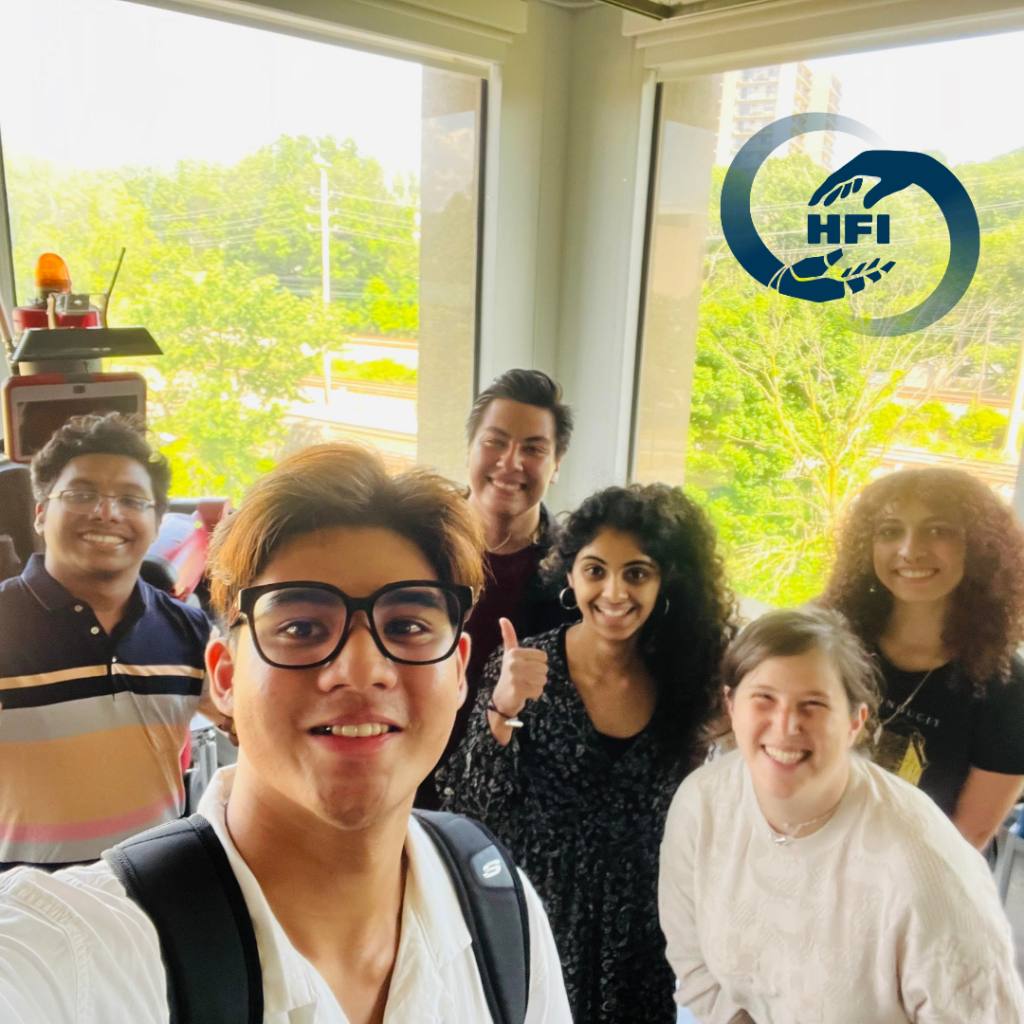
Kanakath will spend the summer working with Assistant Professor Alexis E. Block, Ph.D. student Partha Datta, and B.S. student Viet Nguyen, investigating the impact of different interaction modalities on human perception and comfort during human-robot interactions. This research, conducted using Block’s Baxter robot, aims to generate insights that will inform the development of more effective and socially aware robotic systems, a crucial aspect as robots become increasingly integrated into various aspects of human life.
“Their expertise and guidance will be invaluable as I navigate and work through this research project,” Kanakath said of her collaborators. “The opportunity to collaborate with experienced researchers and contribute to meaningful advancements in human-robot interaction is fascinating.”
Kanakath also thanked Block for her assistance throughout the application process. “I could not have done it without her support and mentorship.” Additionally, she said the application process was a valuable experience in pitching and communicating her research ideas in written form. Likewise, Block praised Kanakath, saying, “Ishika’s stellar work ethic was evident when she took my ECSE 600: Intro to Human-Robot Interaction course. I am proud to have her as a member of my lab, and I look forward to continuing this research with her.”
Kanakath emphasized the importance of her research because “understanding the nuances of human-robot interaction is essential for designing robots that are approachable, respectful, and capable of engaging effectively with humans,” she said. “We aim to enhance the design and programming of social robots to meet human expectations and comfort levels better.”
Prof. Zonghe Chua has received his first peer-reviewed federal funding from the National Institutes of Health (NIH). This prestigious NIH R21 Trailblazer award, totaling approximately $586,000, will support his innovative 3-year project titled “Autonomous Gaze Coaching for Robot-assisted Surgical Training.”
Prof. Chua’s proposed autonomous coaching system represents a significant advancement in surgical training. By capturing expert surgical cognition and autonomously presenting it to trainees in a simulator system, this project aims to increase accessibility and reduce the costs associated with effective surgical instruction. The project is set to begin this September and will be conducted in collaboration with colleagues at University Hospitals (UH) and the Veterans Affairs (VA).
This impactful endeavor promises to enhance the future of surgical education and training.
Case Western Reserve University’s Kathryn Daltorio is making waves with her innovative research in underwater robotics. Recently, her team tested a cutting-edge underwater robot in the Veale Center swimming pool, showcasing the potential for advanced robotic technology in aquatic environments. The research, conducted in the Crab Lab, aims to enhance the versatility and functionality of underwater robots. For more details on this fascinating project, check out the full article here.
Ishika Kanakath, a Computer Engineering B.S./M.S. student at Case Western Reserve University’s Human Fusions Institute, was recently awarded the Robert L. Shurter Prize. The prize recognizes students for outstanding achievement and leadership in extracurricular activities in the ECSE department.
During her time at CWRU, Kanakath served as president of the university’s Hackathon Club, HackCWRU, where she organized the club’s hackathon event, coordinated with sponsors and participants, managed finance, and ensured the club met its goals. One of the judges at the event was the first full-time HFI faculty hire, and Kanakath’s now B.S./M.S. advisor was Assistant Professor Alexis E. Block. Organizing the event allowed Kanakath to build her technical and leadership skills. “I found the whole experience very fulfilling and rewarding,” she said. “[The event] helped foster innovation and build the engineering students’ community.”
As president of HackCWRU, Kanakath also facilitated workshops, recruited new members, and created a collaborative and innovative environment for all club members.
Several of Kanakath’s activities also allowed her to express her love of singing. Since her first year at CWRU, she has been a dedicated member of Early Music Singers, participating in multiple performances. Her commitment extended beyond the stage as in her leisure time she sang for cancer patients at Hope Lodge, bringing them joy through music.
Kanakath’s extracurricular activities have been instrumental in shaping her as a leader. She credits these experiences with providing her invaluable lessons in leadership, teamwork, communication, and community service, enriching her undergraduate education beyond the classroom.
“I couldn’t be prouder of Ishika for her outstanding achievement,” said Block. “Her exceptional performance in my graduate-level course and her work serving as president of HackCWRU are testaments to her dedication and talent inside and outside the classroom. I am thrilled to have her in my lab and look forward to doing great work together.”
Kanakath was drawn to the Human Fusions Institute for its multidisciplinary focus, human-centric approach, and collaborative atmosphere. “The institute’s emphasis on interdisciplinary research was attractive to me, considering my interests span areas such as robotics, materials science, hardware, and software engineering,” she said. “The opportunity to collaborate with experts from various fields will provide a rich and stimulating environment for research and innovation.”
Originally from Tustin, California, Kanakath became interested in engineering when she saw her grandfather undergoing dialysis at a young age. Because of this, her B.S./M.S. studies will focus on digital design, Register Transfer Level design, and verification. One of her goals is to deepen her design and verification expertise by exploring formal verification or low-power design techniques. Additionally, she will study the intersection of robotic hardware and software by designing and implementing systems for robotics applications.
As her career takes off, Kanakath aspires to become a technology leader and contribute to research and innovation by sharing her knowledge with aspiring engineers. She hopes that her engineering projects can positively impact society’s advancements.
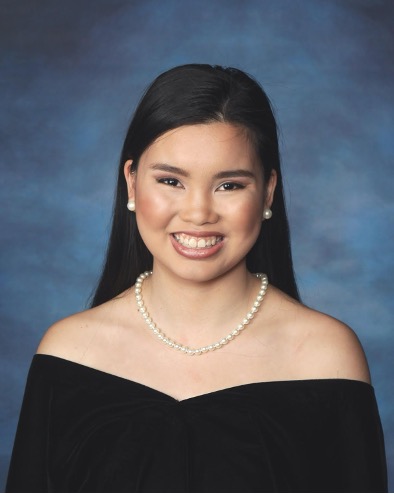
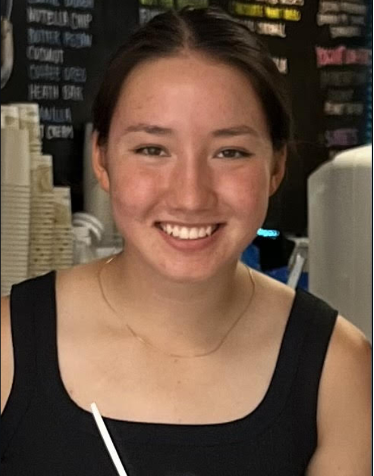
Three interns will join Human Fusions Institute Director Dustin Tyler’s research group this summer, each bringing their unique perspectives and skills: Morgan Creighton, an Emory University student, and two high school students, Cait Ahn, a member of Choate Rosemary Hall’s Class of 2025, and Aashvi Jagetia, a member of Hathaway Brown School’s Class of 2026.
Creighton, a passionate neuroscience student from Emory, is eager to join the Cleveland VA’s Wen H. Ko summer internship program. She will be working closely with Ph.D. student Margaux Randolph on exploring needle configuration for delivering interfascicular electrodes. Her excitement about this new research opportunity at Case Western Reserve University is palpable as she looks forward to learning from experts in biomedical engineering and neuro-engineering, and to delving into the unique research and culture of the institution. Her enthusiasm extends to her interest in using medical devices and technology to treat motor system impairments.
Creighton’s long-term goal is to become a research scientist at a Veterans Affairs hospital, a field she is already familiar with. She has previously participated in the prestigious Veterans Affairs Summer Research Program at the University of South Carolina, where she made significant contributions to the understanding of behavioral disorders. Her experience includes using high-performance liquid chromatography and tissue collection to establish endophenotypes, DNA extraction, PCR, and gel electrophoresis protocols for genotyping, and studying patterns of neuronal activation through immunohistochemistry.
As an undergraduate research assistant in the Rehabilitation and Applied Movement Performance Lab at Emory, Creighton has been involved in several innovative projects. Her primary research interests include neuro engineering, exoskeletons, stimulation in rehabilitation, and neurological-driven medical devices. One of her notable achievements is the development of a prototype propulsion system at school to lift a wheelchair, allowing a user to sit at a 5’6” eye level. This project demonstrates her innovative thinking and potential contributions to the field.
Ahn will also be coming to Cleveland for the first time and will spend the summer primarily working with Ph.D. students Laura McGann and Rachel Jakes. In 2023, she saw the 60 Minutes episode highlighting Tyler’s research. “Learning about all the projects and research the professors were involved in and developing sparked an interest and fascination in me so great that it made me want to do similar work,” she said. “I looked up the professors and came across HFI while trying to figure out where I could dip at least my toe in this research.” When she arrives at CWRU, she hopes to be involved with designing and fabricating parts necessary for neuroprosthetics or NeuroReality.
A high school robotics team member, Ahn has wondered “how things were made” since her early years. As a youth, she removed cardboard boxes from her family’s recycle bin, cut them up, and made machines. “While not all of them worked perfectly, I seemed to really love figuring out how to concoct something from scratch and create something that was somewhat functional.” As a high school freshman, she took a course in reverse engineering, completing a motion-sensing candy dispenser as her final project.
Looking back on her projects completed so far, Ahn is most proud of correctly computer-aided designing, computer-aided manufacturing, cutting, and using template polycarb numbers to make team numbers for robot bumpers on her school’s robotics team. Having just learned how to do computer-aided manufacturing and work the computer numerical control machine, she was excited to accomplish this project without assistance.
Ahn is primarily interested in bioengineering and behavioral neuroscience. As her career takes off, she hopes to use her engineering skills to “better the human experience.”
Jagetia is also a member of her high school’s robotics team. When she first joined the team, her main task was designing and building the robot. During the 2023-24 school year, she joined the programming team and was given the opportunity to program the camera. Her work on the camera helped track the robot’s movement, leading to the team advancing far in competitions.
The daughter of a software engineer, Jagetia became interested in the field when she began learning about what her father does for a career. She is primarily interested in software, programming languages, and “just solving everyday problems to make life easier for others.” When she heard about her school’s Fellowship in Science Research & Engineering Program, she jumped at the opportunity to get experience working in a lab.
The Cleveland local of the intern group, Jagetia will also be working with McGann and Jakes this summer. “I’m looking forward to gaining some experience, meeting others with experience in the engineering field, and learning more from them,” she said.
Austin Wilson’s journey began with a spark of curiosity in his early days in Rocky River, Ohio. His fascination with understanding how things work led him to join his school’s Science Olympiad team in middle school and co-found his high school’s FIRST Robotics team in his senior year, showcasing his early passion and drive for engineering.
However, even before high school, Wilson’s thirst for knowledge was apparent; he took it upon himself to delve into Arduino, Raspberry Pi, and basic circuitry outside the classroom. After being recognized as an innovative voice developer, he helped write the Amazon Alexa Certification exam in high school. As an Eagle Scout, Wilson developed a passion for adventure and exploration while learning to be resourceful in his daily life. He credits his engineering and adventuring drive to his grandfather, a “creative, resourceful tinkerer, and explorer in his own way.”
Wilson is no stranger to Case Western Reserve University, where he earned a B.S. in Computer Science in 2022 and had some interactions with the Human Fusions Institute during his undergraduate studies. During the COVID-19 pandemic, he assembled two tracking dashboards to map the number of cases, their severity, and vaccinations by geographical location; one that maps the number of cases, their severity, and the number of vaccinations all by geographical location is still used by the Cleveland Department of Public Health.
During his first year at CWRU, he became a software engineer at Structured Monitoring Products (SMP), where he worked as the company’s Lead Software Engineer, handling the software as they built the newest version of VetGuardian from scratch. In parallel, Austin worked with several other companies, improving existing human-computer interactions and developing new ones, particularly using augmented and virtual reality, and voice.
After graduating from CWRU, Wilson continued to demonstrate his commitment to his career and future goals. He worked with several startups, including Renalis Health, where he built a modular digital therapeutic system to address issues with the delivery of pelvic health therapies. After SMP was sold to Zomedica, where he now works as a Software Architect and Engineer, Wilson asked himself, ‘Am I on a path that my childhood self would be proud of?’ This introspection led him to a desire to build technology he hopes to one day use as an astronaut, make choices about hardware/software interactions, and explore means of human/technology interactions beyond a keyboard and mouse. These aspirations led him to join HFI as a graduate student.
Wilson’s academic journey will continue at CWRU, where he will pursue his M.S. studies as a member of Assistant Professor Alexis E. Block’s SaPHaRI Lab. To support his ambitions of becoming an astronaut, he collaborated with Block to develop a research plan for his M.S. thesis, which he submitted to the Ohio Space Grant Consortium. His efforts were rewarded with a prestigious fellowship, including a tuition waiver and a $23,400 stipend, to support his M.S. thesis research.
“I am very proud of Austin for his achievement in securing the NASA-funded Ohio Space Grant Consortium Fellowship,” said Block. “I strongly believe in and look forward to executing the research plan we crafted together, and I’m excited for how it will propel him towards his dream of becoming an astronaut.”
Wilson’s M.S. research will focus on a space combining human-computer interaction, human-robot interaction, and psychology. The project aims to provide effective health by assisting isolated and delayed communications crews, such as those in submarines or long-duration space exploration missions. This innovative approach could revolutionize how humans understand and address health in remote environments, sparking hope and excitement for the potential impact of his work.
“I am very excited to join Dr. Block,” said Wilson.
As a career Marine Corps officer who then entered the business enterprise, Mark Mykleby has always been interested in “large, unstructured, and dynamic situations.” As the new Executive Director of the Human Fusions Institute, he hopes to motivate HFI members to “figure things out.”
While Mykleby may be new to the technology industry, his unique perspective is fresh air. He was drawn to HFI’s approach of placing the human condition and social responsibility at the heart of technology development. In his new role, he will shape the HFI organizational design, foster a networked team, and seek out opportunities for projects and funding. He is excited to see HFI’s vision of becoming a global leader in ‘creating human-connected technologies that amplify human potential for a thriving, just, and integrated world’ come to life.
Mykleby has always been interested in the philosophical advances of technology in society. “We often mindlessly ride the slope of Moore’s Law without really considering what it means to the human condition,” he said. “Being part of the HFI team not only lets me be part of the humanist voice of HFI but also lets me participate in the practical development of technologies that can have meaningful, large-scale impact.”
Alexis E. Block, the first full-time faculty hire at Case Western Reserve University’s Human Fusions Institute, gave two presentations at the recent IEEE/ACM International Conference on Human-Robot Interaction (HRI) in Boulder, Colorado. One was about a recent journal article she published, and the other focused on the course she developed, ECSE 600: Introduction to Human-Robot Interaction. When Block came to CWRU’s Department of Electrical, Computer, and Systems Engineering as an assistant professor in Fall 2023, she developed ECSE 600 as an introduction to the field of human-robot interaction. The course covers the robotics design process, different types of human-robot interactions (spatial, non-verbal, physical, and verbal), how to evaluate HRI systems, the user study design processes, how to perform and report statistical analyses on data collected from a user study, safety, and ethical considerations in HRI, and much more! The twelve students in the Fall 2023 course were divided into small groups to design and run a user study with participants and a robot.
Block also brought in guest lecturers from around the world throughout the semester and allowed students to present recent HRI papers to the class. Her paper about developing the course was one of ten accepted for presentation at the workshop.
In addition to discussing lecture content on 11 March 2024, Block recommended five seminal papers from the field to conference attendees that she includes in her curriculum. Additionally, she encouraged workshop participants to incorporate reading recent conference and journal articles into a human-robot interaction course to help students stay up-to-date on the field’s state-of-the-art. She also emphasized the importance of adopting a standard robotic platform for all international human-robot interaction courses so the experimental quality of courses in the field will be uniform, regardless of the university’s size or funding. Block said that conference attendees seemed particularly interested in the seminal papers she had selected, and many of them said they wanted to incorporate them into their syllabi.
“This was a fantastic workshop, with leading HRI researchers sharing tips and tricks about what worked well and what didn’t, brainstorming creative ideas, and discussing ways to standardize the content of their courses across universities,” said Block.
Her other presentation was an invited talk on 14 March 2024 in which she presented her paper “In the Arms of a Robot: Designing Autonomous Hugging Robots with Intra-Hug Gestures.” Published in March 2023 in the ACM Transactions on Human-Robot Interaction journal, the paper focused on design principles and technical considerations for creating autonomous hugging robots capable of understanding and responding comfortably and naturally to intra-hug gestures, including stillness, rubbing, patting, and squeezing. Block used a novel inflatable tactile sensor she created, called the HuggieChest, to collect a large dataset of users performing the different intra-hug gestures and used a random forest classifier to detect and classify unseen gestures. After gathering user preferences for how her robot (HuggieBot) should respond to various gestures, she created an equation to transform the average user ratings she collected into possibilities. She then made a probabilistic behavioral model that determined how the robot should respond to detected user intra-hug gestures.
Block initially thought participants wouldn’t like a proactive robot that would initiate intra-hug gestures. However, she was pleased that participants enjoyed when the robot initiated gestures because it made them feel like “(the robot) cared about them.” Humans who interacted with the robots also appreciated variety in the gestures the robot performed and liked semi-spontaneous responses because it seemed like the robot was making its own choices rather than just mimicking theirs. After running a validation study with the robot detecting and responding to gestures in real time, she found that the participants developed a more favorable opinion of the robot throughout the study.
In addition to giving her presentations, Block enjoyed hearing from other researchers in her field, including the keynote speaker, Disney Research’s James Kennedy. Kennedy spoke about the importance of designing robotic characters (rather than agents), creating consistent personalities, allowing group interaction, and making people feel heard. She also enjoyed a different talk about repair strategies when the robot makes a mistake. In this presentation, the speakers tested various repair strategies. They found that a justification apology was the best option for repairing the loss of trust in the robot after a mistake rather than giving a technical explanation (for example).
Although a snowstorm forced attendees to give presentations virtually the last two days, the in-person days reminded Block of “how wonderful it is to connect with this research community.”
Having attended the annual international conference on three prior occasions and presented twice before, Block became interested in human-robot interaction as an undergraduate student at the University of Pennsylvania. While working on a tactile perception project, she observed a Ph.D. student working on hand-clapping games with a Baxter robot in the lab. Block loved the whole-body interaction between a user and the robot and decided that she wanted to center her master’s thesis on hugging robots. Since then, human-robot interaction has been one of the main focuses of her career. “Human-robot interaction for me is an exciting workplace space,” she said. “Because of its interdisciplinary nature. We worry not only about the technical aspects of robotics but also the psychology and human side of things. People are very messy, and that’s where things get interesting with robotics!.”
Block is currently hiring graduate students. Interested students can contact her at alexis.block@case.edu
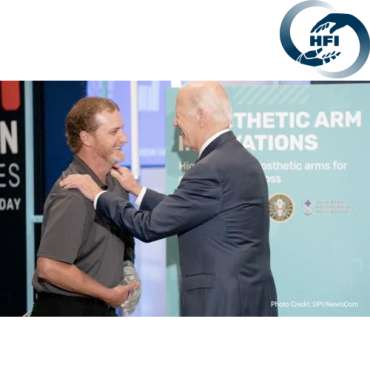
Researchers from Case Western Reserve University’s Human Fusions Institute (HFI) recently displayed their work at “American Possibilities: A White House Demo Day” in Washington, D.C. The event was hosted by the White House Office of Science and Technology Policy.
While more than 40 groundbreaking innovations from around the country were highlighted, HFI’s iSens system was one of three selected to be presented to President Joe Biden.
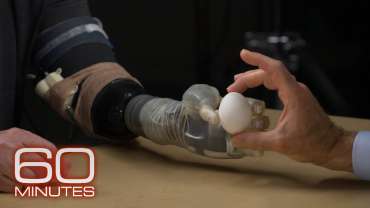
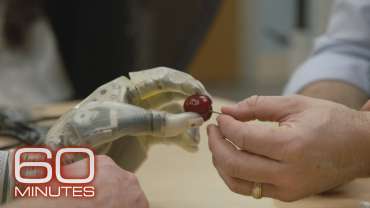
The iSens system, designed in the HFI lab directed by Dustin Tyler, the Kent H. Smith II Professor of Biomedical Engineering at the Case School of Engineering, allows those with limb loss to move the prosthesis by thought and provides sensation that feels to the user like the prosthesis is their actual hand. This technology comes as close as possible to replacing the lost limb, providing individuals with a sense of touch and the ability to control their prosthesis by simply thinking about moving their own hand. The system is the result of 15 years of funding from the Department of Veterans Affairs and DARPA HAPTIX and RE-NET programs, and the lab remains committed to developing technologies to change the lives of individuals who have lost limbs and improve human health through innovation.
Study participant Brandon Prestwood got the chance to demonstrate for Biden the system he believes changed his life.
“It’s an honor to meet President Biden, and I will cherish it forever,” Prestwood said. “You can just look at somebody’s face and see what they care about, and one can tell that President Biden cares about healthcare.”
Prestwood hopes the Biden administration and future administrations will do their part to make advances in technology. “If we push the technology forward,” he said, “we can help more people.”
Prestwood emphasized the positive impact the technology had on him, describing the first time he held his wife’s hand since losing his arm in a 2012 conveyor belt accident as the “pinnacle” of his life. “Everyone has put time, money and dedication into improving people’s lives,” he said, “and it’s wonderful to be part of that experience.”
Leah Roldan, a PhD student in Tyler’s lab who accompanied Prestwood, said Biden was especially interested in how the technology worked.
“President Biden was very friendly and very interested in our study participant’s experience,” she said. “It was very cool to have him there.”
Roldan, who has been working with this study participant for over five years, loves seeing what it means to participants to feel the sensation.
“(Our technology) has such a strong emotional impact,” she said. “When you get to know the person, you understand how big it is.”
“With so many impressive technologies on display at this event, it was an honor that CWRU was one of only three organizations selected to meet face-to-face with President Biden,” said Project Manager Bob Michaels. “That says a lot about the impact that we are making.”